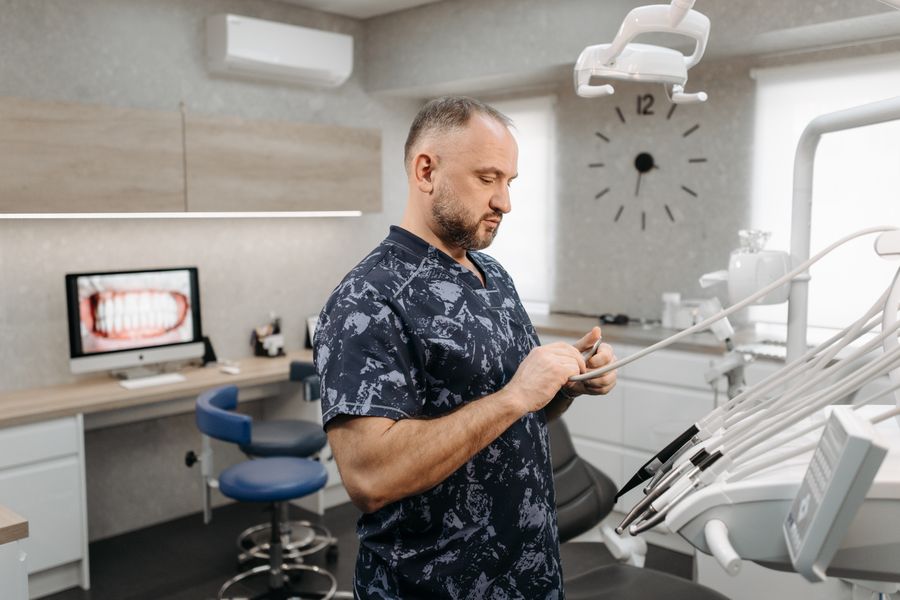
We don't buy equipment for the tour. We buy it for fewer surprises, tighter fits, smaller incisions, and clearer conversations. Here's what we run, why, and how it changes your visit.
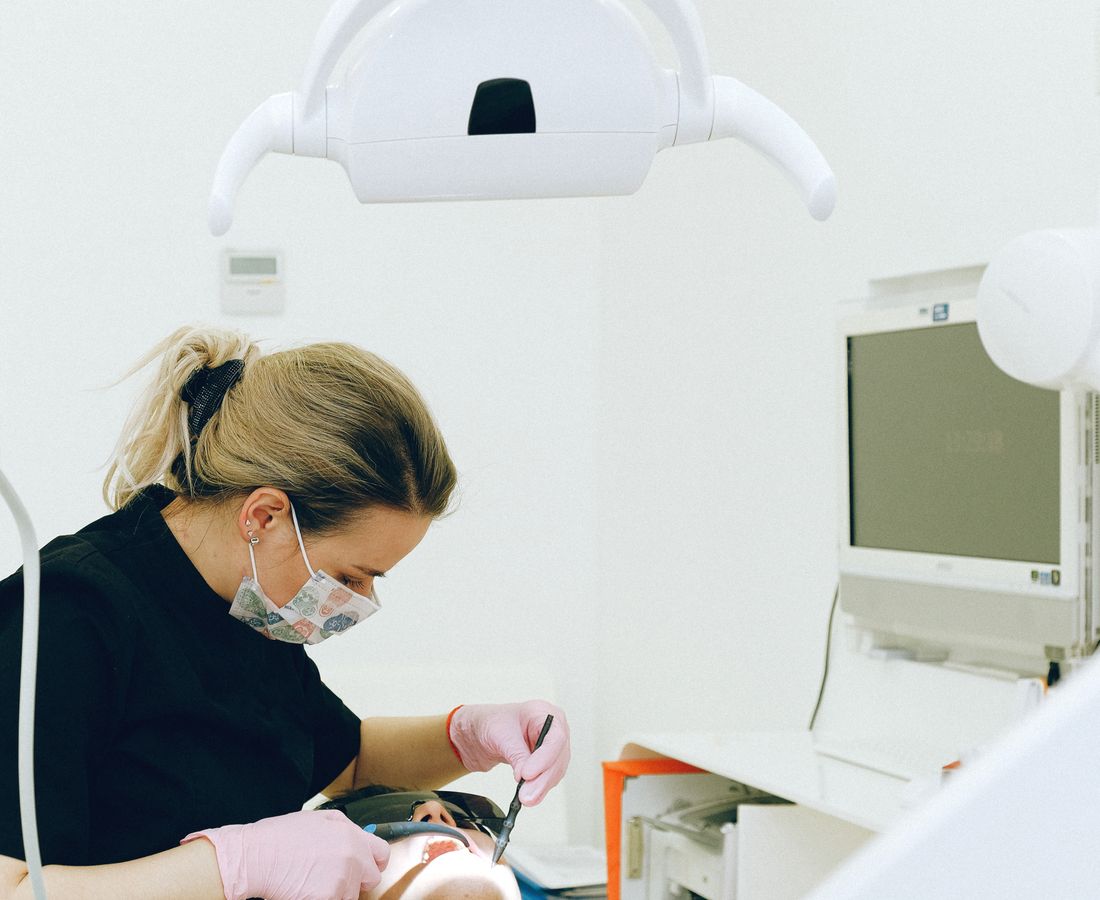
A full 3D scan of your jaw and bone, taken in under twenty seconds, at a radiation dose similar to a transatlantic flight. We use it before every implant, for complex endodontics, and anytime a 2D image raises a question.
What this actually changes: we plan implants to a tenth of a millimeter. We catch root fractures a 2D X-ray will miss. We see nerve proximity before we surprise it. You get fewer "we'll need to refer you out" conversations.
Scan lasts ~18 seconds. You stand still and breathe normally. No discomfort, no contrast.
A small wand moves around your teeth building a full 3D model in about four minutes. We use it for crowns, veneers, aligners, nightguards, and every new-patient exam — it replaces traditional putty impressions in 96% of cases.
Why it matters: tighter-fitting crowns (better longevity, less margin failure), faster turnaround on aligner cases (no mailing impressions to a lab), and a digital record of your bite that we can compare visit to visit over years.
Wand is warm, quiet, and non-triggering for gag reflex. Scan takes ~4 minutes. You can see the 3D model as it builds.
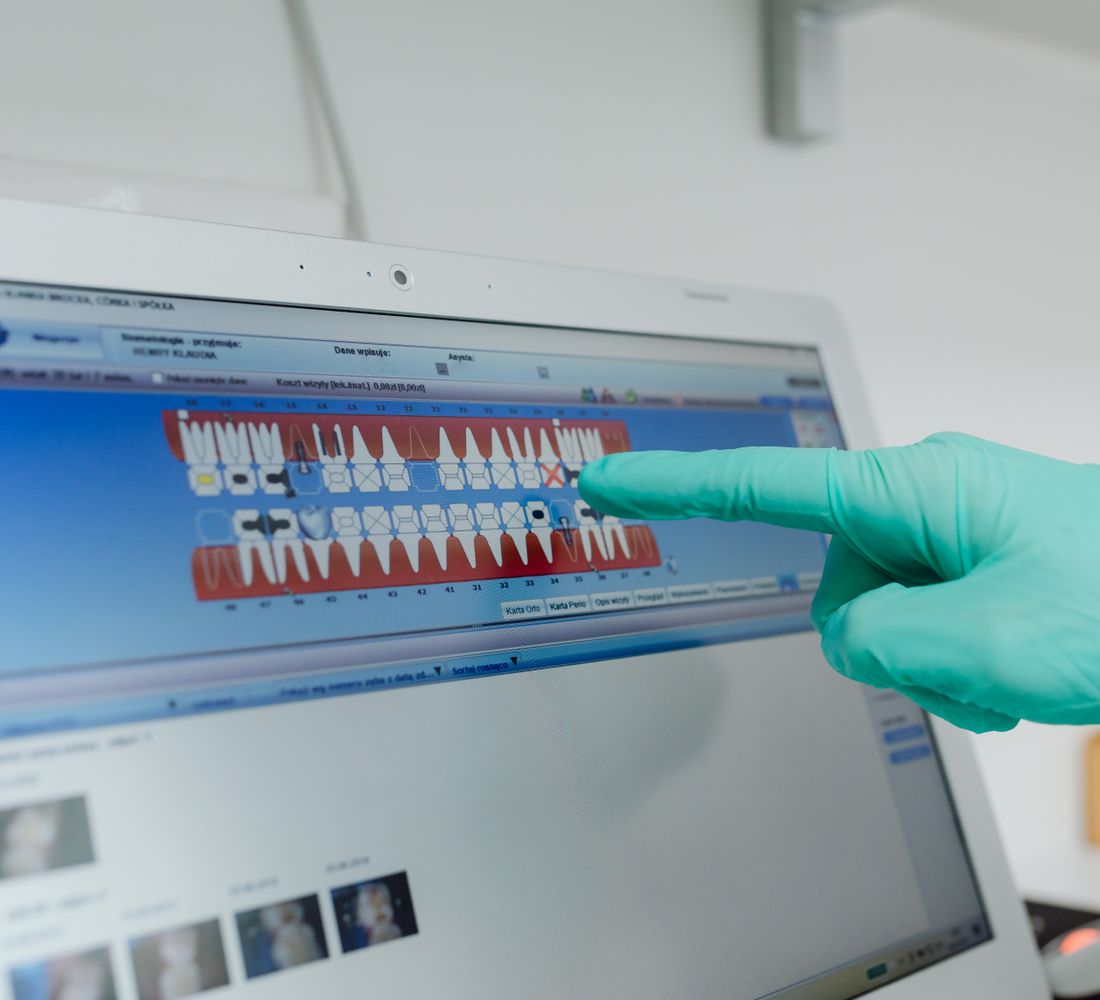

Your CBCT scan plus your intraoral scan feed a planning platform where the implant position, angle, and depth are decided before you ever sit in the chair. We print a surgical guide that physically holds the drill in place.
The result: smaller incisions (often flapless), faster healing, more predictable crown emergence, and significantly fewer "intraoperative surprises." Most patients return to normal activity the next morning.
Surgery is typically ~45 minutes per implant. Most patients describe the recovery as easier than expected. Follow-up at 24 hrs, 1 week, and at crown placement.
Not every piece of equipment deserves its own section. Here's the quieter infrastructure that keeps appointments on time and outcomes consistent.
Low-dose 2D imaging with instant review. 80% less radiation than film. We retake only what's needed — never for padding.
Every cosmetic case gets a software-based preview. You see the proposed outcome before we touch a tooth. Approval is on you.
Every new patient gets a full photo record. Changes year to year become visible. Nothing drifts unnoticed.
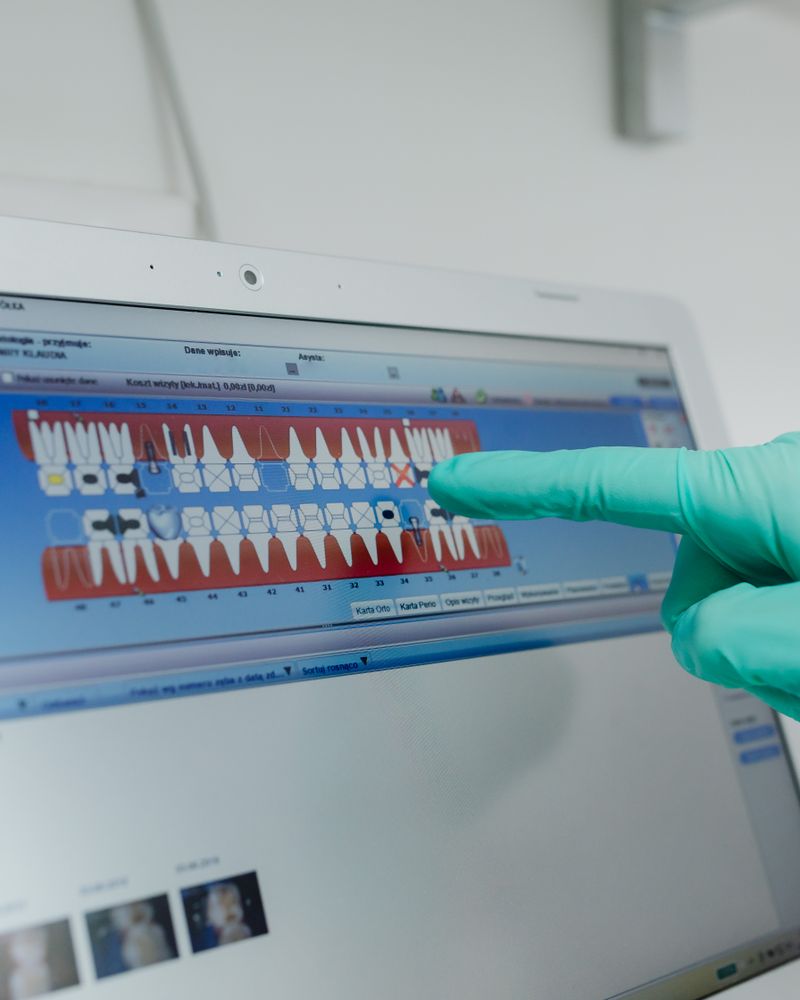
Objective score for early cavities — we watch or treat based on data, not guesswork.
Precision in root-canal work — root length known to the millimeter, fewer second-appointment adjustments.
All records, plans, and photos are yours. Download, share with a specialist, take them with you if you move.
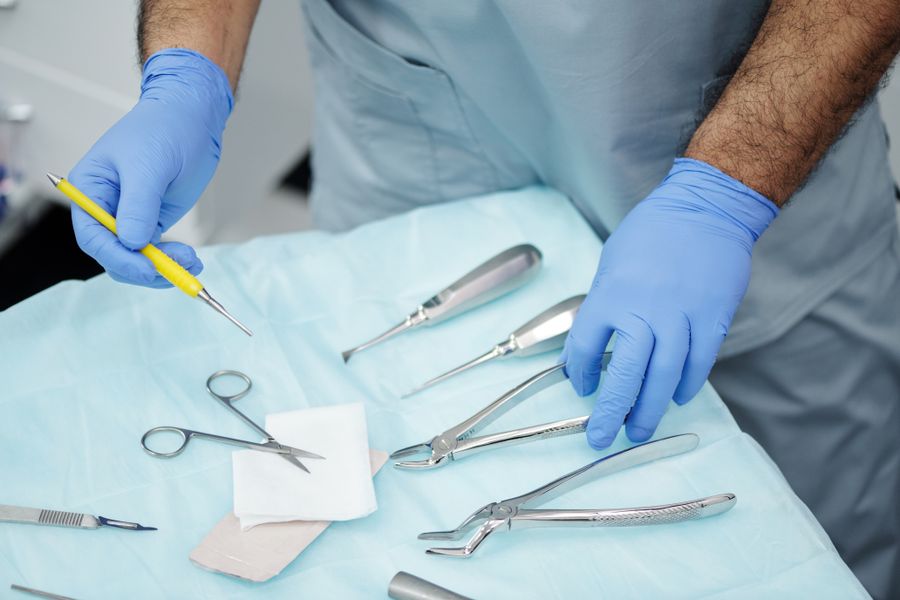
Every instrument tray logged per cycle. Sterilization visible from the hallway, by design.
Weekly testing by a third-party lab. Results posted at reception. No greater-than-CDC-limit readings since opening.
Medical-grade air filtration with quarterly filter replacement. Every operatory, every patient, every day.
A lot of "technology" in healthcare is decorative. These are the small, unglamorous investments patients actually notice.
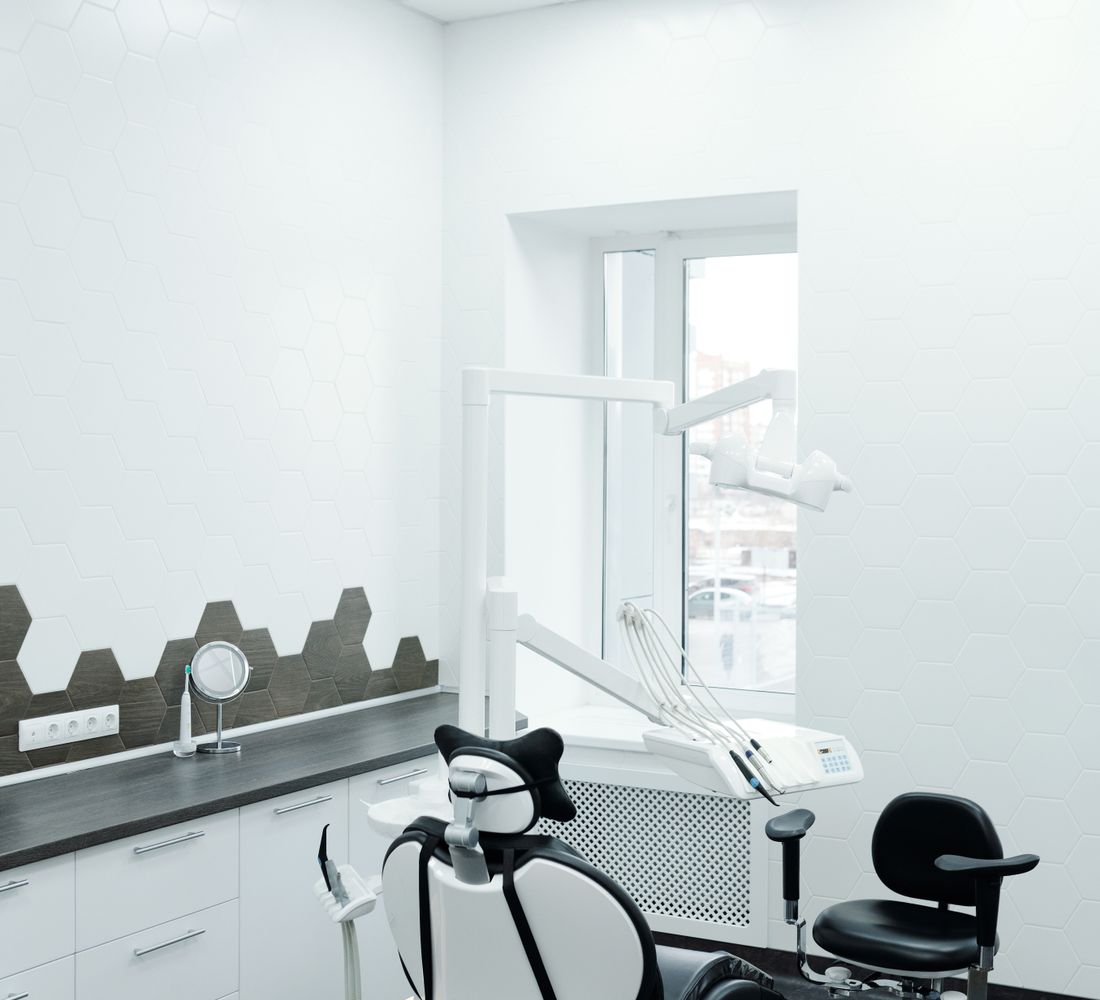
Most of what we use is invisible to the patient — which is the point. Book a Precision Visit and experience an appointment run on modern infrastructure.